 Join
Join
Archive: FA22: Lab Safety Considerations for Pre-Service Secondary Science/STEM Teachers, September 26, 2022
This interactive web seminar will begin with an overview of safety protocols specific for doing secondary level safer science/STEM classroom/laboratory activities with Dr. Ken Roy, NSTA and NSELA Safety Compliance Advisor/specialist and, Director of Environmental Health & Safety, Glastonbury Public Schools (CT). In addition, Dr. Kevin Doyle of Morris Hills Regional School District, NSTA Safety Advisory Board Chairperson will also be presenting.
This interactive web seminar will begin with an overview of safety protocols specific for doing secondary level safer science/STEM classroom/laboratory activities with Dr. Ken Roy, NSTA and NSELA Safety Compliance Advisor/specialist and, Director of Environmental Health & Safety, Glastonbury Public Schools (CT). In addition, Dr. Kevin Doyle of Morris Hills Regional School District, NSTA Safety Advisory Board Chairperson will also be presenting.
This interactive web seminar will begin with an overview of safety protocols specific for doing secondary level safer science/STEM classroom/laboratory activities with Dr. Ken Roy, NSTA and NSELA Safety Compliance Advisor/specialist and, Director of Environmental Health & Safety, Glastonbury Public Schools (CT). In addition, Dr. Kevin Doyle of Morris Hills Regional School District, NSTA Safety Advisory Board Chairperson will also be presenting.
This interactive web seminar will begin with an overview of safety protocols specific for doing secondary level safer science/STEM classroom/laboratory activities with Dr. Ken Roy, NSTA and NSELA Safety Compliance Advisor/specialist and, Director of Environmental Health & Safety, Glastonbury Public Schools (CT). In addition, Dr. Kevin Doyle of Morris Hills Regional School District, NSTA Safety Advisory Board Chairperson will also be presenting.
Archive: FA22: Lab Safety Considerations for Pre-Service Elementary Science/STEM Teachers, September 19, 2022
This interactive web seminar will begin with an overview of safety protocols specific for doing elementary level safer science/STEM classroom/laboratory activities with Dr. Ken Roy, NSTA and NSELA Safety Compliance Advisor/specialist and, Director of Environmental Health & Safety, Glastonbury Public Schools (CT). In addition, Dr. Kevin Doyle of Morris Hills Regional School District, NSTA Safety Advisory Board Chairperson will also be presenting.
This interactive web seminar will begin with an overview of safety protocols specific for doing elementary level safer science/STEM classroom/laboratory activities with Dr. Ken Roy, NSTA and NSELA Safety Compliance Advisor/specialist and, Director of Environmental Health & Safety, Glastonbury Public Schools (CT). In addition, Dr. Kevin Doyle of Morris Hills Regional School District, NSTA Safety Advisory Board Chairperson will also be presenting.
This interactive web seminar will begin with an overview of safety protocols specific for doing elementary level safer science/STEM classroom/laboratory activities with Dr. Ken Roy, NSTA and NSELA Safety Compliance Advisor/specialist and, Director of Environmental Health & Safety, Glastonbury Public Schools (CT). In addition, Dr. Kevin Doyle of Morris Hills Regional School District, NSTA Safety Advisory Board Chairperson will also be presenting.
This interactive web seminar will begin with an overview of safety protocols specific for doing elementary level safer science/STEM classroom/laboratory activities with Dr. Ken Roy, NSTA and NSELA Safety Compliance Advisor/specialist and, Director of Environmental Health & Safety, Glastonbury Public Schools (CT). In addition, Dr. Kevin Doyle of Morris Hills Regional School District, NSTA Safety Advisory Board Chairperson will also be presenting.
Archive: Science Update: Earthquakes: What’s Shakin? September 15, 2022
Did you feel it? An earthquake is a shaking movement of the Earth’s Crust as stress overcomes friction. This web seminar will provide basic background to help attendees make sense of this natural phenomenon. Earthquakes, what they are, what causes them, what they can tell us about the Earth, and how we measure them will be covered.
Did you feel it? An earthquake is a shaking movement of the Earth’s Crust as stress overcomes friction. This web seminar will provide basic background to help attendees make sense of this natural phenomenon. Earthquakes, what they are, what causes them, what they can tell us about the Earth, and how we measure them will be covered.
Did you feel it? An earthquake is a shaking movement of the Earth’s Crust as stress overcomes friction. This web seminar will provide basic background to help attendees make sense of this natural phenomenon. Earthquakes, what they are, what causes them, what they can tell us about the Earth, and how we measure them will be covered.
Did you feel it? An earthquake is a shaking movement of the Earth’s Crust as stress overcomes friction. This web seminar will provide basic background to help attendees make sense of this natural phenomenon. Earthquakes, what they are, what causes them, what they can tell us about the Earth, and how we measure them will be covered.
Right to the Source
The American Dope Party

TEacher Spotlight
Teacher Spotlight: Dr. Eric Michael Bratsolias Brown
Career of the Month
Marine Biologist Tori Cullins

feature
Dogma Spies
Cracking the Code to Teaching Mutation

feature
The Eagle Has Fallen
Flatline of the Flathead Lake ecosystem

feature
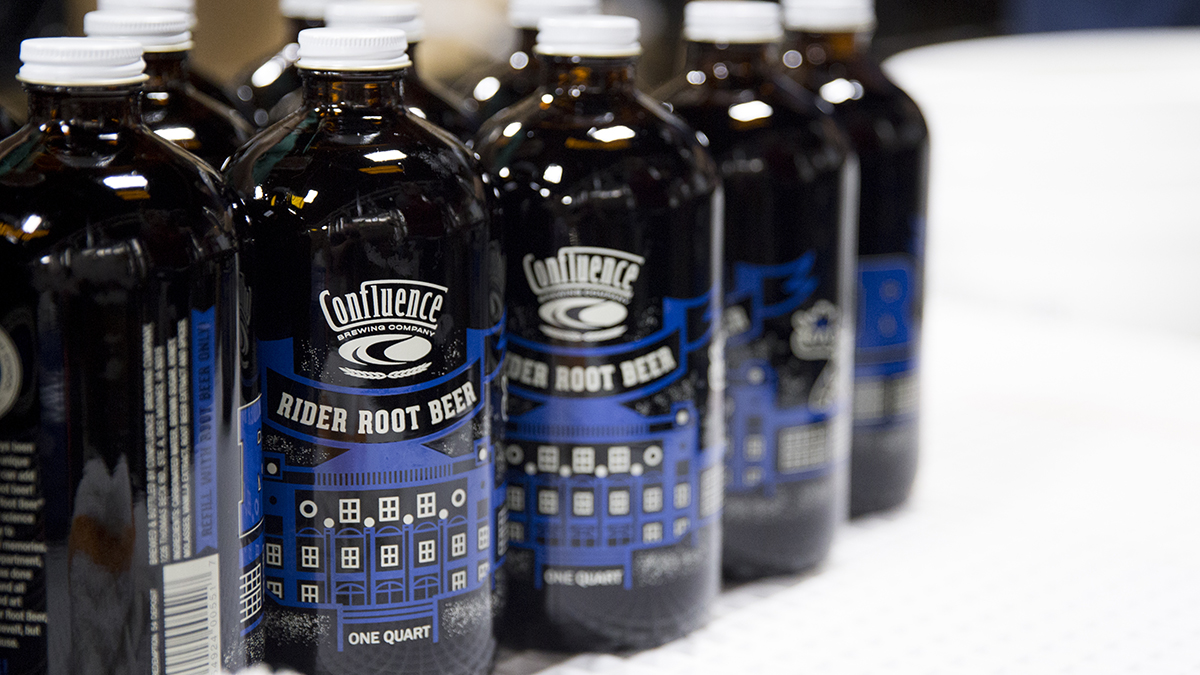
Rider Root Beer
The Science Teacher—July/August 2022 (Volume 89, Issue 6)
By Ehren Whigham, Jerrid Kruse, and Kate Galligan